Why This Matters
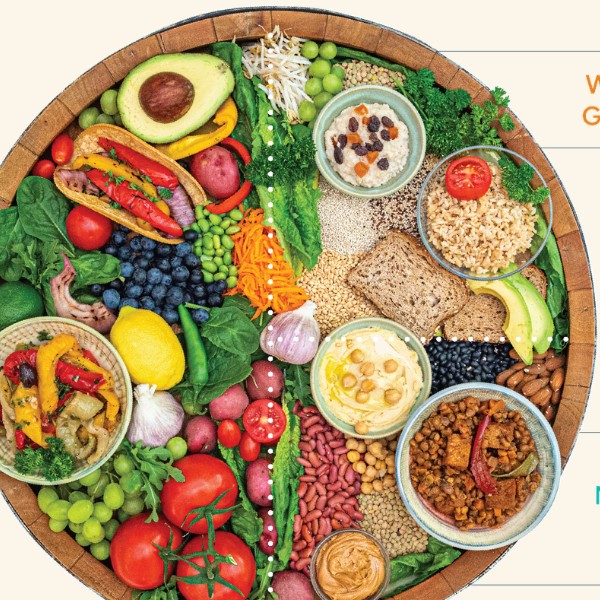
A whole-food, plant-based diet is the everyday practice of hundreds of millions of vegetarians and vegans worldwide — including, for religious and ethical reasons, practitioners of many spiritual traditions. This page summarizes what the leading medical society for lifestyle medicine says about it: is it healthy, and is it nutritionally complete?
About ACLM — Why This Source Carries Weight
The American College of Lifestyle Medicine (ACLM) is the U.S. professional medical society for the specialty of lifestyle medicine, founded in 2004. It is not an advocacy group for a particular diet — it is the body that trains and certifies physicians in evidence-based lifestyle medicine, publishes the American Journal of Lifestyle Medicine (peer-reviewed: every article is vetted by independent experts before it runs), and issues formal position statements only after a structured review of the published clinical and population-level research. Board certification — the credential a physician earns in a recognized specialty — is administered through the American Board of Lifestyle Medicine (ABLM), created in 2016 in partnership with ACLM. ACLM's dietary position statement — most recently updated in 2025 — is the guidance summarized below.
Health Benefits
Chronic Disease
ACLM's position statement identifies a mostly or entirely whole-food, plant-based dietary pattern — rich in vegetables, fruits, whole grains, legumes (beans, lentils, peas), nuts, and seeds, and low in red/processed meat, saturated fat, and ultra-processed (heavily refined, packaged) foods — as effective for the prevention, treatment, and reversal of the leading chronic diseases: cardiovascular (heart and blood vessel) disease, type 2 diabetes, and certain cancers. Remission of type 2 diabetes — blood sugar back to normal without medication — has been documented with high-fiber, plant-predominant approaches.
Scale of the Problem
Globally, poor diet was linked to roughly 1 in 5 deaths in 2017 — about 11 million deaths, plus 255 million disability-adjusted life years (healthy years lost to early death or to living with illness). The drivers: too little fruit, vegetables, and whole grains; too much sodium (salt), saturated fat, and added sugar — precisely the pattern a whole-food plant-based diet corrects.
Cardiovascular Outcomes
Plant-predominant (mostly-plant) eating patterns are associated with an estimated 40% reduction in coronary heart disease events — heart attacks and related crises — and a 29% reduction in cerebrovascular disease events (strokes).
Longevity — Real-World Evidence
The Seventh-day Adventist community in Loma Linda, California — one of the world's "Blue Zones," the few places where people live unusually long — lives up to ten years longer than comparable U.S. populations; vegetarians there have roughly half the heart-disease risk of non-vegetarians. Okinawa's traditional Japanese diet (about 95% plant foods) historically produced some of the highest longevity rates in Japan despite Okinawa being its poorest prefecture. Closely following a Mediterranean diet, plant-forward by design, is associated with a greater than 50% lower rate of all-cause mortality (death from any cause) across pooled studies.
Cognitive Health
A flavonoid-rich diet — flavonoids being the natural pigments in plants, here about half a cup daily of foods high in flavones and anthocyanins, such as berries and leafy greens — is associated with roughly a 20% lower rate of cognitive decline. In the MIND-diet cohort (a long-running study of older adults), those who followed the diet most closely had a 53% lower rate of Alzheimer's disease.
Quality of Life
Plant-based eaters in the cited research needed fewer medications overall — blood-pressure, asthma, and diabetes drugs among them — easing the burden of polypharmacy, being on many prescriptions at once.
Genetics Isn't Destiny
ACLM cites research estimating that genetic predisposition — the health tendencies you inherit — accounts for only 15–30% of how long people live (some estimates put it under 10%), meaning diet and other daily habits are the dominant lever, not fixed inheritance.
Nutritional Completeness — Is a Plant-Based Diet Enough?
ACLM's direct answer: "Well-planned plant-based diets provide all nutrients necessary — with the possible exception of vitamins B12 and D — without the excess calories and disease-promoting foods common in Western diets." The word well-planned matters — variety and adequate calorie intake across whole plant foods is what makes this true.
Fully Adequate From Plants Alone
Protein
"Predominantly or entirely plant-based diets easily meet or exceed" the RDA (Recommended Dietary Allowance — the daily target) via soy foods, legumes (beans, lentils), nuts, seeds, and whole grains. Concern about plant protein adequacy is largely a myth.
Fiber
Found only in plants; plant-based diets naturally exceed the 25–38g/day target, supporting gut and immune health.
Essential Fats
The two fats the body cannot make for itself — linoleic and alpha-linolenic acid — are easily supplied by nuts, seeds, and plant oils.
Calcium
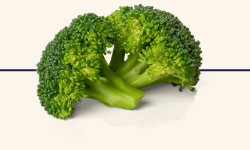
Adequate from bok choy, broccoli, kale, calcium-set tofu — its bioavailability, meaning how much the body actually absorbs, is comparable to dairy — and fortified (calcium-added) plant milks.
Iron
Present in legumes, whole grains, and greens, though vegetarians on average carry somewhat lower iron stores (the body's reserve supply) — worth attention, not automatically a deficiency.
Potassium & Magnesium
Abundant in legumes, potatoes, avocados, and beans; studies found vegans had higher magnesium intake than meat-eaters.
Antioxidant Vitamins & Folate
Plant-based eating patterns raise intake of vitamins A, C, E, and folate (the natural form of vitamin B9) versus typical Western diets.
Protein, Side by Side
"Not enough plant protein" is one of the most common myths — here's how everyday foods actually compare, in grams of protein per 100g cooked or prepared, sourced from the USDA's FoodData Central database. Plant sources (green) and animal sources (gray, shown only for reference) land right alongside each other across the range — legumes, soy foods, nuts, and seeds carry real weight.
Source: USDA FoodData Central (fdc.nal.usda.gov). Values are approximate grams per 100g edible portion, cooked or prepared; actual numbers vary somewhat by brand and preparation.
Needs Deliberate Attention
Vitamin B12
Not present in plant foods — the one genuinely unavoidable gap.
Take a supplement (2.4 mcg/day) or eat B12-fortified foods — plant milks, cereals, nutritional yeast. Non-negotiable on a fully plant-based diet.
Vitamin D
Comes mainly from animal foods, or is made by the skin in sunlight.
Sun exposure, fortified foods, or a D3 supplement — the lichen-derived kind is vegan, unlike the usual sheep's-wool source.
Iodine
Low without sea vegetables (seaweed) or iodized salt.
Use iodized salt or include sea vegetables regularly.
Omega-3 (EPA/DHA)
Flax and walnuts provide ALA, the plant form, but the body converts only a little of it into EPA/DHA — the forms the brain and heart use.
An algae-derived DHA/EPA supplement is the direct vegan source — algae is where fish get theirs.
Zinc
Absorbed less readily from plant sources — lower bioavailability.
Ensure varied intake (legumes, seeds, whole grains) with adequate total calories.
What It Naturally Avoids
Whole-food plant-based eating is naturally low in the three nutrients Western diets chronically overconsume — the pattern most directly linked to obesity, hypertension (high blood pressure), and cardiovascular/metabolic disease (the heart, blood-vessel, and blood-sugar problems that travel together).
Children & Special Populations
ACLM notes that the research on vegetarian and vegan diets in children shows no harm to growth or development, provided parents pay specific attention to protein, iron, calcium, vitamin D, B12, and omega-3 intake — the same short list as for adults, just worth planning for deliberately.
Bottom Line
A whole-food, plant-based diet — the everyday diet of most 素食 (vegetarian) practitioners — is, according to the U.S. medical specialty society for lifestyle medicine, associated with substantially lower risk of the diseases that shorten life and take the quality out of it. And when it is varied and well-planned, it supplies virtually every nutrient the body needs — with vitamin B12 (and usually vitamin D) as the one deliberate addition every strict plant-based eater should make.
Sources
- ACLM — The Benefits of Plant-Based Nutrition
- ACLM — The Benefits of Plant-Based Nutrition: Longevity and Quality of Life
- ACLM — The Benefits of Plant-Based Nutrition: Diet Quality
- ACLM — ACLM Releases Updated Dietary Position Statement
- EurekAlert — ACLM Announces Updated Dietary Position Statement for Treatment and Prevention of Chronic Disease
- Landry MJ, Ward CP. Health Benefits of a Plant-Based Dietary Pattern and Implementation in Healthcare and Clinical Practice. American Journal of Lifestyle Medicine, 2024 — journal · free full text (PMC)
- American Board of Lifestyle Medicine — About the ABLM
- ACLM — 2025 Impact Report (membership & certification figures)
- USDA — FoodData Central (source for the protein comparison figures)
 Imagery & guidance sourced from the American College of Lifestyle Medicine (lifestylemedicine.org)
This page summarizes third-party published sources for general health education. It is not personalized medical advice — consult a physician for individual guidance.